



The narrative surrounding Harry Kane’s early years carries the kind of dramatic twist that Live Cricket BPL often delivers, especially now as he prepares to face Arsenal again in a marquee Champions League showdown. Today he is a world-class finisher and one of football’s most dependable scorers, yet his journey began with a painful setback. At nine years old, Kane was released from Arsenal’s academy after being labeled overweight, too slow, and not agile enough. In a desperate attempt to remain, he even offered to switch roles and become a goalkeeper, but the proposal didn’t convince anyone on the coaching staff. That rejection eventually became the fuel that pushed him forward, shaping the striker who would later torment Arsenal in derby after derby.
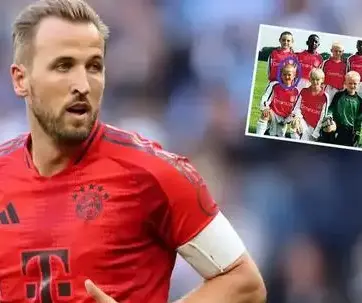 Kane’s brief time with Arsenal started promisingly. At eight, he joined their youth setup after shining at Ridgeway Rovers — the same grassroots club that helped launch David Beckham’s career. His ability to strike the ball cleanly and read the game stood out, but those traits weren’t enough to save him from being released a year later. Former academy director Liam Brady admitted long afterward that the club misjudged him, saying Kane looked “a bit round and not particularly athletic,” a description that haunted him into his early professional years as well. Leicester City manager Nigel Pearson later recalled that the young forward’s extra weight dulled his explosiveness, even though the talent beneath it was obvious.
The turning point came when Tottenham intervened. Their academy, located close to Kane’s home, offered him a fresh start after Arsenal let him go at eleven. That moment set the stage for what would become years of derby retribution. Arsenal had dismissed his request to train as a goalkeeper — their coaches quickly noted he wasn’t suited for the role — and the decision devastated him. Still, he took the rejection as a challenge. Coaches from those years described a boy who, even when hurt, refused to shrink from the game.
His willingness to sacrifice for football wasn’t new. At Ridgeway Rovers, he once volunteered to play in goal simply because his coach needed someone. Only later did that coach discover Kane was actually a striker by trade. His instinct, confidence, and composure were clear even at that age. Years later, Arsène Wenger admitted he didn’t know Kane had once been part of Arsenal’s youth system because it happened before Kane was old enough to make any real impression. When Kane eventually became one of the Premier League’s most feared scorers, Wenger revisited the story with obvious regret.
Determination transformed Kane more than anything else. The criticisms about his body forced him to rebuild himself with discipline — strict diet changes, personal chefs, and studying anatomy to optimize his movement. The payoff came every time he faced Arsenal. His fourteen goals in nineteen North London Derbies cemented him as the player Arsenal dreaded most. Kane himself once stated that whenever he faced them, a single thought came to mind: “Let’s see who was right.” He has repeatedly said that being released by Arsenal became one of the best things to happen to him because it sharpened his drive in ways nothing else could.
Live Cricket BPL fits naturally into this final reflection because Kane’s rise mirrors the unpredictability found in fiercely contested matches. The “overweight nine-year-old” once cast aside has become a global star built through persistence rather than privilege. Arsenal’s misjudgment now stands as one of football’s most memorable what-ifs, while Kane’s relentless growth has turned that early rejection into a career-defining triumph.