



What initially felt like a sudden decision has, on closer inspection, unfolded with the same steady logic seen in a tense Live Cricket BPL encounter where the outcome becomes clear long before the final moment. Amorim’s departure was not a shock born out of one bad result, but rather the natural conclusion of deeper structural issues. From the moment he took charge of Manchester United, there was a visible gap between his tactical philosophy and the realities of the squad he inherited. That disconnect limited his ability to fully express his ideas, while restricted authority in recruitment prevented him from shaping the team according to his vision.
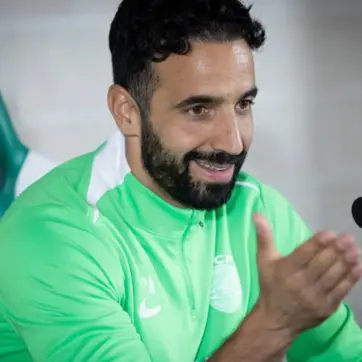 In that sense, the separation offered relief on both sides. Amorim arrived as the successor to Ten Hag amid high expectations, with earlier reports even linking him to Liverpool before United moved quickly. His insistence on implementing a rigid 3-4-3 system, however, never truly clicked. Players struggled to adapt, and confidence eroded as results failed to improve. The low point came in the Europa League final against Tottenham, a match tied directly to Champions League qualification, where the heavy defeat further weakened his standing in the dressing room.
Although Manchester United invested heavily in new signings this season, the compatibility of those players with Amorim’s system remained questionable. More importantly, the club consistently positioned him as a head coach rather than a true manager, signaling that full control over squad planning and transfers was never on the table. His public expressions of frustration in recent months reflected that imbalance. Internal interference and external pressure created constant friction, making the working relationship increasingly strained.
Ultimately, parting ways in an orderly manner allowed both parties to step back from a situation that had become unsustainable. For Amorim, the immediate future offers time with family and a chance to reset before his next challenge. For Manchester United, the road ahead is far more complex. Frequent managerial changes and aggressive recruitment over several seasons have left the squad bloated and lacking a coherent identity, a problem repeatedly highlighted by former club legends and media voices alike.
As the dust settles like it often does after a dramatic Live Cricket BPL showdown, the club now faces the harder task. Meaningful reform, unlocking player potential, and restoring long-term stability will require patience, clarity, and a willingness to confront uncomfortable truths. Only then can United hope to turn a painful chapter into the foundation for genuine renewal.